Thursday, December 28, 2023

Island Hopping in the Philippines: A Guide to the Country's Must-Visit Destinations

Island Hopping in the Philippines


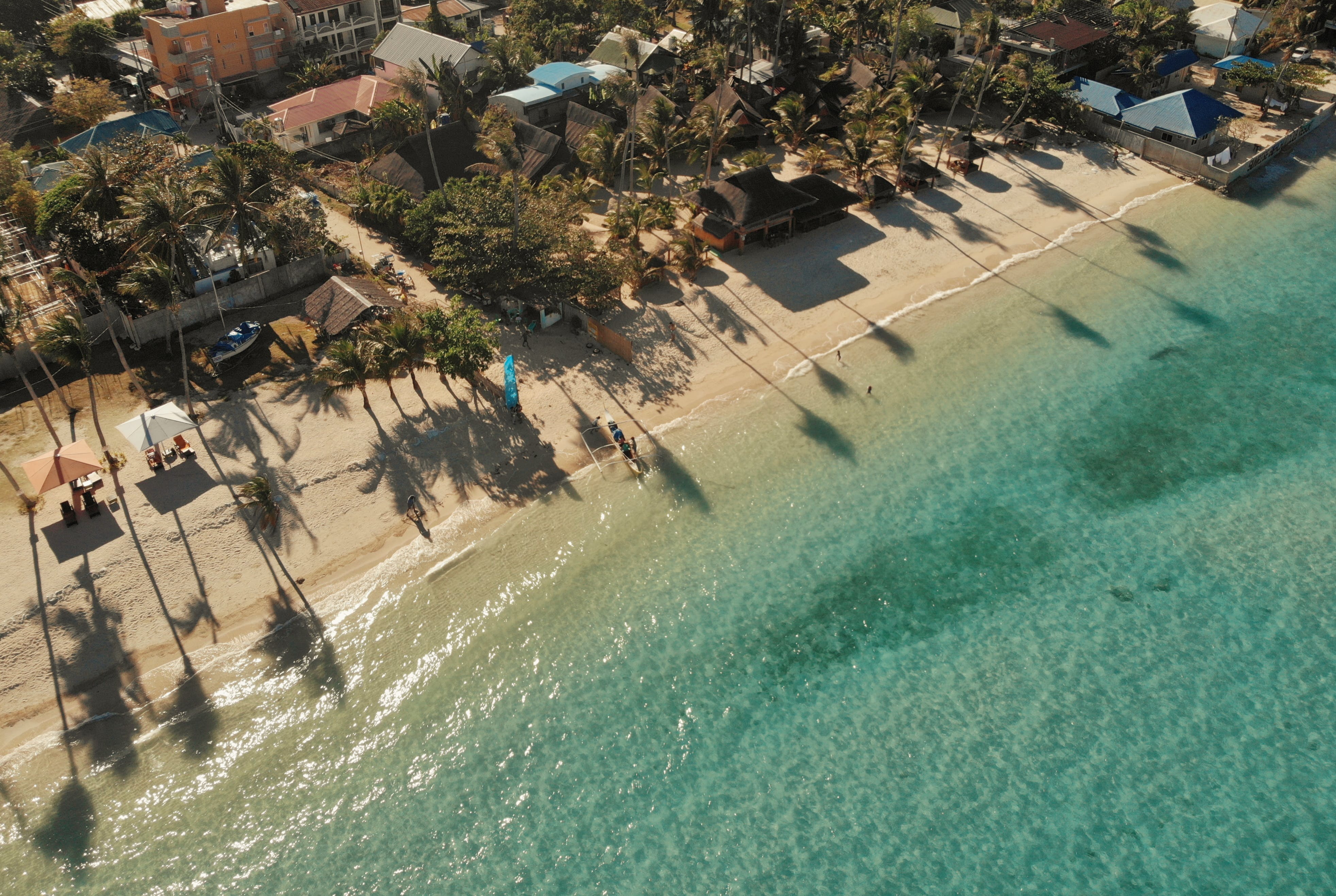
The Philippines is a tropical paradise consisting of over 7,000 islands, making it a dream destination for island hopping enthusiasts. With its crystal-clear turquoise waters, pristine white sand beaches, and vibrant marine life, the country offers a plethora of stunning islands to explore. In this article, we will guide you through some of the must-visit destinations for island hopping in the Philippines, ensuring an unforgettable experience filled with natural beauty, adventure, and cultural immersion.
 

1. Palawan: The Jewel of the Philippines 

- Palawan is often hailed as one of the most beautiful islands in the world, and it's no wonder why. With its stunning limestone cliffs, hidden lagoons, and the enchanting Underground River, Palawan offers a paradise-like experience for island hoppers. Don't miss the breathtaking Bacuit Archipelago, home to the iconic El Nido and its surrounding islands, where you can swim in crystal-clear waters, snorkel amidst vibrant coral reefs, and relax on secluded beaches.

In Palawan, two islands are known for their stunning limestone cliffs and hidden lagoons: El Nido and Coron.
 

El Nido:

El Nido is located in the northern part of Palawan and is famous for its dramatic limestone cliffs, crystal-clear waters, and hidden lagoons. The Bacuit Archipelago, a group of islands surrounding El Nido, is a must-visit destination for island hoppers. Here, you can explore enchanting lagoons such as the Secret Lagoon, where you can swim in a hidden pool surrounded by towering limestone cliffs. The Big Lagoon and Small Lagoon are also popular spots, offering picturesque landscapes and opportunities for kayaking and snorkeling.
 

Coron:

Coron, located in the Calamian Islands in the northern part of Palawan, is another paradise for limestone cliffs and hidden lagoons. The island is known for its crystal-clear lakes, including the famous Kayangan Lake, which is often referred to as the cleanest lake in the Philippines. Twin Lagoon is another highlight, where you can swim through a small opening in the limestone cliffs to access a hidden lagoon with emerald-green waters. Coron also offers stunning snorkeling and diving spots, with underwater attractions such as colorful coral gardens and World War II shipwrecks.
 
Both El Nido and Coron offer unique island hopping experiences, allowing you to explore the beauty of Palawan's limestone cliffs and discover hidden lagoons that will take your breath away.
 

2. Siargao: The Surfing Capital 

- Known as the surfing capital of the Philippines, Siargao Island is a must-visit for adventure seekers and beach lovers alike. Aside from its world-class surf breaks, Siargao also boasts pristine beaches, enchanting lagoons, and the famous Sugba Lagoon, where you can paddleboard, kayak, and swim in turquoise waters surrounded by lush mangroves. Experience the laid-back island vibe, indulge in fresh seafood, and witness the breathtaking beauty of the island's sunsets.

Siargao offers a variety of activities for travelers to enjoy, aside from its world-class surfing spots. Here are some activities you can explore in Siargao:

 
1. Island Hopping: Siargao is surrounded by beautiful islands and islets that are worth exploring. Join an island hopping tour and visit stunning destinations like Naked Island, Daku Island, and Guyam Island. You can enjoy swimming, snorkeling, and relaxing on pristine white-sand beaches.

2. Sohoton Cove National Park: Located on the nearby island of Bucas Grande, Sohoton Cove National Park is a must-visit attraction. Explore the enchanting cove, go swimming in the crystal-clear waters, and discover unique features like the Hagukan Cave and the Jellyfish Sanctuary. Don't miss the chance to experience the magical stingless jellyfish encounter.

3. Magpupungko Rock Pools: These natural rock pools, located on the eastern coast of Siargao, are a popular spot for swimming and cliff jumping. During low tide, you can witness the fascinating rock formations and take a dip in the clear turquoise waters.

4. Sugba Lagoon: Take a boat ride to Sugba Lagoon, a picturesque body of water surrounded by lush mangroves. You can go kayaking, paddleboarding, or simply relax and enjoy the serene atmosphere. Don't forget to try the thrilling diving board and jump into the refreshing lagoon.

5. Cloud 9 Boardwalk: Even if you're not into surfing, the Cloud 9 Boardwalk is a great place to soak up the laid-back atmosphere of Siargao. Enjoy a leisurely stroll along the boardwalk, take in the beautiful views of the surfers riding the waves, and indulge in delicious food and drinks at the nearby restaurants and cafes.

6. Taktak Falls: If you're up for a little adventure, visit Taktak Falls, located in Santa Monica. This hidden gem offers a refreshing swimming spot surrounded by lush greenery. Take a dip in the cool waters and enjoy the natural beauty of the waterfall.
 
These are just a few of the many activities you can enjoy in Siargao. Whether you're an adrenaline junkie or seeking relaxation, Siargao has something for everyone to enjoy beyond its famous surfing scene.
 

3. Cebu: Gateway to Paradise 

- Cebu is not only a bustling city but also a gateway to some of the country's most stunning islands. Start your island hopping adventure from Cebu and explore the nearby islands of Malapascua, Bantayan, and Camotes. Swim with thresher sharks in Malapascua, relax on the pristine beaches of Bantayan, and dive into the crystal-clear waters of the Camotes Islands. Don't forget to visit the famous Kawasan Falls in Badian, where you can take a refreshing dip in its turquoise pools.
 

4. Bohol: Nature's Playground 

- Bohol offers a perfect blend of natural wonders and cultural heritage. Visit the iconic Chocolate Hills, a unique geological formation consisting of over 1,200 cone-shaped hills. Explore the lush countryside and encounter the adorable tarsiers, one of the world's smallest primates. Don't miss the stunning beaches of Panglao Island, where you can snorkel, dive, and relax in luxurious resorts. And, of course, experience the famous Loboc River Cruise, where you can enjoy a delicious buffet lunch while cruising along the serene river.

Bohol, known for its natural wonders and rich cultural heritage, offers a range of attractions beyond the famous Chocolate Hills. Here are some other must-visit attractions in Bohol:

 
1. Tarsier Conservation Area: Get up close and personal with the adorable Philippine Tarsiers, one of the world's smallest primates. Visit the Tarsier Conservation Area in Corella or the Philippine Tarsier and Wildlife Sanctuary in Loboc to observe these unique creatures in their natural habitat.

2. Panglao Island: Connected to Bohol by a bridge, Panglao Island is a popular destination known for its beautiful beaches and vibrant marine life. Alona Beach is the most well-known beach on the island, offering powdery white sand and crystal-clear waters. Don't miss the opportunity to go snorkeling or diving to explore the colorful coral reefs surrounding the island.

3. Loboc River Cruise: Experience a relaxing river cruise along the Loboc River, where you can enjoy a delicious buffet lunch or dinner while being serenaded by local musicians. Take in the scenic views of the lush riverside and keep an eye out for the native flora and fauna.

4. Baclayon Church: Visit the historic Baclayon Church, one of the oldest stone churches in the Philippines. This centuries-old church showcases Spanish colonial architecture and houses religious artifacts and relics. Don't forget to explore the adjacent museum to learn more about the region's religious and cultural history.

5. Hinagdanan Cave: Explore the Hinagdanan Cave, a natural underground cave located in Dauis. Marvel at the impressive stalactite and stalagmite formations and take a dip in the crystal-clear underground pool. The cave's unique lighting creates a magical ambiance.

6. Man-made Forest: Take a drive through the scenic man-made forest located in Bilar. This dense forest of towering mahogany trees provides a refreshing break from the heat and offers a picturesque backdrop for photos.

7. Bohol Bee Farm: Visit the Bohol Bee Farm, a sustainable organic farm that promotes eco-tourism and showcases the importance of beekeeping. Take a tour of the farm, learn about organic farming practices, and indulge in delicious farm-to-table meals featuring fresh ingredients from the farm.
 
These are just a few of the many attractions that Bohol has to offer. From natural wonders to cultural landmarks, Bohol provides a diverse and memorable travel experience.
 

Island hopping in the Philippines is a dream come true for nature lovers, adventure enthusiasts, and beach bums. From the breathtaking beauty of Palawan to the adrenaline-pumping surf breaks of Siargao, the Philippines offers a diverse range of island destinations that will leave you in awe. Explore the hidden gems, immerse yourself in the rich culture, and create unforgettable memories as you hop from one tropical paradise to another. So, pack your bags, grab your snorkel, and embark on an island hopping adventure in the Philippines like no other.


Hi Hello Please Support Us by Donating a Little its a Big Help to Us! Thank you
G-Cash +639552394832 and PayPal: Please Support Us


The Philippines: A Tapestry of Natural Wonders and Historical Landmarks

The Philippines


The Philippines is a captivating archipelago in Southeast Asia that boasts a rich tapestry of natural wonders and historical landmarks. From its pristine beaches and lush rainforests to its ancient ruins and colonial heritage, the country offers a diverse range of attractions that will leave visitors in awe. In this article, we will explore the breathtaking natural landscapes and the fascinating historical sites that make the Philippines a truly remarkable destination.
 

1. Natural Wonders:

a. Pristine Beaches: The Philippines is renowned for its stunning beaches with crystal-clear turquoise waters and powdery white sands. From the world-famous Boracay Island to the secluded El Nido in Palawan, these beaches offer a paradise-like experience for sun-seekers and water enthusiasts.
 
b. Breathtaking Landscapes: The country is blessed with diverse landscapes, including towering mountains, cascading waterfalls, and picturesque rice terraces. The iconic Chocolate Hills in Bohol, the majestic Mount Mayon in Albay, and the enchanting Banaue Rice Terraces are just a few examples of the natural wonders that showcase the Philippines' awe-inspiring beauty.
 
c. Marine Biodiversity: The Philippines is a haven for marine life enthusiasts and scuba divers. Its rich marine biodiversity is home to vibrant coral reefs, colorful tropical fish, and even gentle giants like whale sharks. Destinations like Tubbataha Reefs Natural Park and Apo Island offer unforgettable underwater experiences.

Boracay and El Nido, the Philippines is home to several other popular beach destinations that offer stunning coastal landscapes and a range of activities. Here are a few:

 
1. Siargao Island: Known as the surfing capital of the Philippines, Siargao Island attracts surfers from around the world. It boasts beautiful white sand beaches, crystal-clear waters, and the famous Cloud 9 surf break. Apart from surfing, visitors can also explore the nearby islands, swim in natural pools, and enjoy the laid-back island vibe.

2. Panglao Island, Bohol: Located in the Visayas region, Panglao Island is a tropical paradise with pristine beaches and vibrant coral reefs. Alona Beach is a popular spot for swimming, snorkeling, and diving, offering a chance to witness colorful marine life. The island is also known for its unique geological formations, such as the Hinagdanan Cave and the Chocolate Hills.

3. Coron, Palawan: Situated in the Calamian Islands of Palawan, Coron is famous for its stunning limestone cliffs, crystal-clear lakes, and World War II shipwrecks. It is a haven for divers and snorkelers, with popular sites like the Barracuda Lake, Twin Lagoon, and Skeleton Wreck. Coron's picturesque beaches, such as Malcapuya Island and Banana Island, are perfect for relaxation and island hopping.

4. Bantayan Island, Cebu: Bantayan Island is a serene and less crowded destination in the province of Cebu. It offers powdery white sand beaches, crystal-clear waters, and a laid-back atmosphere. Santa Fe Beach is the main beach on the island, where visitors can swim, sunbathe, and enjoy fresh seafood. Bantayan Island is also known for its vibrant festivals and rich cultural heritage.

5. Camiguin Island: Dubbed as the "Island Born of Fire," Camiguin is a volcanic island with unique black sand beaches, hot springs, and stunning waterfalls. White Island is a must-visit attraction, offering a pristine sandbar surrounded by turquoise waters. The island is also famous for its natural wonders, including the Sunken Cemetery, Katibawasan Falls, and the Old Spanish Church Ruins.
 
These are just a few examples of the many beautiful beach destinations in the Philippines. Each offers its own unique charm, making the country a paradise for beach lovers and nature enthusiasts.

The Ifugao rice terraces, also known as the "Eighth Wonder of the World," hold immense cultural and historical significance in the Philippines. Here is some more information about their cultural significance:

 
1. Engineering Marvel: The Ifugao rice terraces are a remarkable feat of engineering and agricultural ingenuity. Constructed by the indigenous Ifugao people more than 2,000 years ago, these terraces are built on steep mountain slopes using traditional methods. They are designed to maximize water distribution and soil retention, allowing the cultivation of rice in an otherwise challenging landscape.

2. Sustainable Farming: The rice terraces reflect the sustainable farming practices of the Ifugao people. The terraces are carefully designed to utilize natural water sources, such as springs and irrigation canals, to irrigate the rice paddies. The stone walls and earth embankments help prevent soil erosion and maintain the fertility of the land. The Ifugao people have passed down their knowledge of terrace farming from one generation to another, ensuring the preservation of their traditional agricultural practices.

3. Cultural Heritage: The Ifugao rice terraces are not only a physical marvel but also a symbol of the Ifugao people's cultural identity and heritage. The terraces embody the harmonious relationship between humans and nature, as well as the deep connection between the Ifugao people and their ancestral lands. The Ifugao communities have rituals and ceremonies associated with the planting and harvesting seasons, demonstrating their reverence for the land and their agricultural traditions.

4. UNESCO World Heritage Site: In recognition of their cultural and natural significance, the Ifugao rice terraces were inscribed as a UNESCO World Heritage Site in 1995. This designation highlights the importance of preserving and protecting these ancient terraces for future generations. It also promotes awareness and appreciation of the Ifugao culture and their sustainable farming practices.

5. Tourism and Economic Impact: The Ifugao rice terraces attract a significant number of tourists each year, both local and international. Visitors come to admire the breathtaking landscapes, learn about the Ifugao culture, and experience the traditional way of life in the terraced villages. Tourism has provided economic opportunities for the local communities, including homestays, handicraft sales, and guided tours, contributing to the preservation and maintenance of the rice terraces.
 
Overall, the Ifugao rice terraces are not only a stunning agricultural landscape but also a living testament to the rich cultural heritage and sustainable practices of the Ifugao people. They serve as a reminder of the importance of preserving traditional knowledge, protecting the environment, and celebrating the diversity of Philippine culture.
 

2. Historical Landmarks:

a. Spanish Colonial Heritage: The Philippines has a deep-rooted Spanish colonial history, and this is evident in its historical landmarks. Intramuros, the walled city of Manila, takes visitors back in time with its well-preserved Spanish-era architecture, cobblestone streets, and centuries-old churches such as San Agustin Church, a UNESCO World Heritage Site.
 
b. Ancient Ruins: The country is also home to ancient ruins that reflect its pre-colonial past. The UNESCO-listed rice terraces of Ifugao, carved into the mountains by indigenous tribes, showcase the ingenuity and cultural heritage of the Filipino people. The mysterious ruins of the ancient city of Tubbataha and the prehistoric Callao Cave are other notable archaeological sites.
 
c. World War II Memorials: The Philippines played a significant role in World War II, and there are several memorials and historical sites dedicated to honoring this chapter in history. The Leyte Landing Memorial Park in Tacloban and the Corregidor Island, known as "The Rock," serve as reminders of the country's resilience and the sacrifices made during the war.

There are several World War II memorials in the Philippines that are worth visiting. Here are a few notable ones:

 
1. Manila American Cemetery and Memorial: Located in Fort Bonifacio, Manila, this cemetery and memorial is the largest American military cemetery outside the United States. It serves as the final resting place for over 17,000 American and Filipino soldiers who lost their lives during World War II. The memorial features a chapel, a mosaic map depicting the Pacific theater of the war, and the Tablets of the Missing, which bear the names of over 36,000 soldiers missing in action.

2. Corregidor Island: Known as "The Rock," Corregidor Island played a significant role during World War II as a key defense outpost for the Philippines. Today, it serves as a historical and tourist destination, offering guided tours that take visitors through the island's war remnants, including the Malinta Tunnel, Pacific War Memorial, and various gun emplacements. The island provides a firsthand glimpse into the battles fought during the war.

3. Bataan Death March Memorial: Located in Bataan province, this memorial commemorates the tragic Bataan Death March, which took place in April 1942. It honors the thousands of Filipino and American soldiers who were forced to march over 100 kilometers to a prison camp after the fall of Bataan. The memorial features a large obelisk and plaques that recount the events of the march and pay tribute to the bravery and sacrifice of those involved.

4. MacArthur Landing Memorial National Park: Situated in Palo, Leyte, this memorial park marks the spot where General Douglas MacArthur and his troops landed during the Leyte Gulf Landings in October 1944. The park features a larger-than-life bronze statue of General MacArthur, as well as various sculptures and plaques depicting significant moments of the landing. It serves as a reminder of the liberation of the Philippines from Japanese occupation.
 
These are just a few examples of World War II memorials in the Philippines. Each memorial offers a unique perspective on the events and sacrifices of the war, allowing visitors to pay their respects and gain a deeper understanding of the country's wartime history.
 

The Philippines is a true gem in terms of its natural wonders and historical landmarks. It offers a diverse range of attractions that cater to nature lovers, adventure seekers, and history enthusiasts alike. Whether you're exploring the pristine beaches, immersing yourself in the vibrant marine life, or delving into the country's rich history, the Philippines promises an unforgettable journey through its tapestry of natural wonders and historical landmarks.


Hi Hello Please Support Us by Donating a Little its a Big Help to Us! Thank you
G-Cash +639552394832 and PayPal: Please Support Us


Beyond the Beaches: Exploring the Cultural Richness of the Philippines

Exploring the Cultural Richness


The Philippines is renowned for its stunning beaches and natural wonders, but there is much more to this Southeast Asian archipelago than meets the eye. Beyond the pristine shores and turquoise waters, the Philippines boasts a vibrant and diverse cultural heritage that is waiting to be explored. From centuries-old traditions to mouth-watering cuisine and colorful festivals, this article delves into the cultural richness of the Philippines, inviting travelers to go beyond the beaches and discover the heart and soul of this captivating country.
 

1. Rich Historical Heritage:

The Philippines has a rich historical heritage influenced by various civilizations and colonial powers. Explore the UNESCO World Heritage Sites such as the walled city of Intramuros in Manila, which showcases Spanish colonial architecture and historical landmarks. Visit the ancient rice terraces of Ifugao, a testament to the ingenuity and agricultural practices of the indigenous people. Discover the ruins of the Spanish-era churches in Ilocos and the majestic Fort San Pedro in Cebu, all of which provide glimpses into the country's fascinating past.

The Philippines is home to several UNESCO World Heritage Sites that highlight its rich historical heritage. Here are some notable examples:
 
1. Baroque Churches of the Philippines: This World Heritage Site consists of four churches built during the Spanish colonial period in the 16th to 18th centuries. The churches are located in the cities of Manila, Paoay, Santa Maria, and Miagao. They showcase the unique fusion of European Baroque architecture with local influences, reflecting the country's colonial history.

2. Rice Terraces of the Philippine Cordilleras: Located in the mountainous regions of Ifugao, the Rice Terraces are a testament to the ancient agricultural practices of the indigenous Ifugao people. These terraces were carved into the mountainside over 2,000 years ago and are still used for rice cultivation today. They are considered a marvel of engineering and a symbol of sustainable land use.

3. Historic City of Vigan: Situated in the province of Ilocos Sur, Vigan is a well-preserved Spanish colonial town that dates back to the 16th century. Its cobblestone streets, ancestral houses, and architecture reflect the fusion of Spanish, Chinese, and Filipino influences. Walking through Vigan feels like stepping back in time and offers a glimpse into the country's colonial past.

4. Puerto Princesa Subterranean River National Park: Located in Palawan, this national park features an underground river that flows through a limestone cave system. The river is one of the longest navigable underground rivers in the world and is surrounded by stunning rock formations and diverse wildlife. It is recognized for its unique geological features and ecological importance.

5. Mount Hamiguitan Range Wildlife Sanctuary: Situated in the province of Davao Oriental, Mount Hamiguitan is a protected area that showcases a diverse range of flora and fauna, including endangered and endemic species. It is known for its pygmy forest, bonsai trees, and the iconic Philippine eagle. The sanctuary is a vital habitat for biodiversity conservation.
 
These UNESCO World Heritage Sites in the Philippines offer a glimpse into the country's rich historical and natural heritage. They are not only significant landmarks but also serve as reminders of the country's cultural identity and the importance of preserving its unique treasures for future generations.

2. Cultural Festivals:

The Philippines is known for its vibrant and colorful festivals that celebrate religious, cultural, and historical events. Experience the grandeur of the Sinulog Festival in Cebu, where locals don traditional costumes and dance to the beat of drums in honor of the Santo Niño. Join the Ati-Atihan Festival in Kalibo, Aklan, where revelers paint their faces black and wear traditional Visayan attire as they dance through the streets. These festivals offer a unique opportunity to immerse yourself in the lively spirit and traditions of the Filipino people.

Certainly! The Philippines is known for its vibrant and diverse cultural festivals that showcase the country's traditions, history, and local customs. Here are a few cultural festivals that are worth experiencing:
 
1. Sinulog Festival (Cebu City, January): Sinulog is one of the grandest and most popular festivals in the Philippines. It celebrates the Santo Niño (Child Jesus) and features street dancing, colorful costumes, and lively music. The highlight is the Sinulog Grand Parade, where participants dance and chant to the rhythm of drums and gongs.

2. Panagbenga Festival (Baguio City, February): Known as the "Flower Festival," Panagbenga showcases the blooming flowers of Baguio City. The festival includes a grand float parade, street dancing, and various flower-related events. It is a celebration of the city's cool climate and the abundance of flowers in the region.

3. Kadayawan Festival (Davao City, August): Kadayawan is a week-long festival that celebrates the bountiful harvest and cultural heritage of Davao City. It features street dancing, floral floats, and a variety of cultural performances. The festival highlights the indigenous tribes of Davao and their traditional rituals and dances.

4. Pahiyas Festival (Lucban, Quezon, May): Pahiyas is a colorful harvest festival celebrated in Lucban, Quezon. Houses are adorned with vibrant rice decorations, fruits, vegetables, and other agricultural products. The festival showcases the creativity and gratitude of the locals for a bountiful harvest.

5. Ati-Atihan Festival (Kalibo, Aklan, January): Ati-Atihan is a lively festival that honors the Santo Niño and pays homage to the country's pre-colonial roots. Participants paint their faces with black soot and wear traditional Visayan attire while dancing and chanting to the beat of drums. It is a joyful celebration of unity, faith, and cultural heritage.
 
These are just a few examples of the many cultural festivals in the Philippines. Each festival offers a unique experience and provides a deeper understanding of the country's diverse traditions and customs. Whether you're captivated by colorful parades, traditional dances, or local delicacies, these festivals are sure to leave you with unforgettable memories.

3. Traditional Arts and Crafts:

Discover the intricate artistry and craftsmanship of the Philippines through its traditional arts and crafts. Explore the bustling markets of Baguio and witness the creation of vibrant woven fabrics, woodcarvings, and handcrafted jewelry. Learn about the art of pottery in the town of Ilocos and witness the skillful production of intricate pottery pieces. From the delicate craftsmanship of the famous Barong Tagalog to the colorful handwoven textiles of the T'boli tribe, the Philippines' traditional arts and crafts reflect the country's rich cultural heritage.

The Philippines is home to a wide array of traditional arts and crafts, each with its own unique characteristics and regional influences. Here are some examples of traditional Filipino arts and crafts that are unique to certain regions of the Philippines:
 
1. Pina Cloth (Piña) - A delicate and luxurious fabric made from pineapple fibers, pina cloth is a specialty of the province of Aklan in the Western Visayas region. The intricate process of extracting the fibers from pineapple leaves and weaving them into fabric results in a lightweight and translucent material used for traditional Filipino attire such as the Barong Tagalog.

2. T'nalak Weaving - Hailing from the province of South Cotabato in Mindanao, t'nalak weaving is a traditional craft of the T'boli indigenous people. T'nalak is a handwoven fabric made from abaca fibers and dyed using natural pigments. The intricate geometric patterns and vibrant colors of t'nalak reflect the T'boli's rich cultural heritage and spiritual beliefs.

3. Capiz Shell Craft - Capiz, a province in the Western Visayas region, is known for its intricate shell craft. Capiz shells are meticulously shaped and arranged to create various decorative items such as lanterns, chandeliers, and window panels. The translucent quality of the shells allows light to pass through, creating a beautiful play of light and shadow.

4. Pottery of Ilocos - The province of Ilocos Norte in Northern Luzon is renowned for its traditional pottery. The skilled potters of Ilocos create a wide range of pottery pieces, including utilitarian items like jars, pots, and plates, as well as decorative pieces adorned with intricate designs. The distinct red clay used in Ilocos pottery gives the pieces a unique rustic charm.

5. Bamboo Craft of Bohol - Bohol, an island province in the Central Visayas region, is known for its bamboo craft. Skilled artisans create various bamboo products such as baskets, furniture, musical instruments (like the bamboo xylophone called "kulintang"), and even traditional houses known as "bahay kubo." The versatility and sustainability of bamboo make it an integral part of Boholano culture.
 
These are just a few examples of the traditional arts and crafts that showcase the rich cultural diversity of the Philippines. Each region has its own unique craftsmanship and techniques, reflecting the local traditions, materials, and cultural influences. Exploring these traditional arts and crafts is a wonderful way to appreciate the creativity and heritage of the Filipino people.

4. Mouth-watering Cuisine:

No exploration of Philippine culture would be complete without indulging in its mouth-watering cuisine. From the savory adobo and sinigang to the sweet and sticky halo-halo and leche flan, Filipino cuisine is a delightful fusion of flavors influenced by Malay, Chinese, Spanish, and American culinary traditions. Embark on a culinary journey and savor the diverse regional dishes such as Bicol Express, Cebu lechon, and Ilocano empanada. Don't forget to try the street food delicacies like balut and isaw for a truly authentic gastronomic experience.
 
While the beaches of the Philippines are undeniably breathtaking, venturing beyond the coastal areas unveils a world of cultural richness and diversity. From exploring historical sites and participating in colorful festivals to appreciating traditional arts and crafts and indulging in mouth-watering cuisine, the Philippines offers a captivating cultural experience that complements its natural wonders. So, next time you visit this tropical paradise, go beyond the beaches and immerse yourself in the vibrant tapestry of Filipino culture.


Hi Hello Please Support Us by Donating a Little its a Big Help to Us! Thank you
G-Cash +639552394832 and PayPal: Please Support Us


Philippines Uncovered: A Deep Dive into the Country's Most Captivating Destinations

Philippines Uncovered


The Philippines, a tropical paradise in Southeast Asia, is a country brimming with natural wonders, rich cultural heritage, and warm hospitality. From pristine beaches and lush mountains to vibrant cities and historical sites, the Philippines offers a diverse range of captivating destinations that are waiting to be explored. In this article, we will take a deep dive into some of the country's most enchanting and must-visit places, showcasing the beauty and charm that make the Philippines a truly remarkable destination.
 

1. Palawan: The Jewel of the Philippines 

- Explore the breathtaking landscapes of Palawan, home to the world-renowned Puerto Princesa Underground River and the stunning limestone cliffs of El Nido.

- Dive into the crystal-clear waters of Coron, where vibrant coral reefs and shipwrecks await underwater enthusiasts.

- Discover the secluded islands of Honda Bay, perfect for island hopping and beach relaxation.

In addition to El Nido, Palawan is home to several other famous beaches that offer stunning natural beauty and pristine surroundings. Here are some of the must-visit beaches in Palawan:
 
1. Coron: Known for its crystal-clear waters and abundant marine life, Coron is a paradise for snorkeling and diving enthusiasts. The beaches in Coron, such as Malcapuya Island, Banana Island, and Bulog Dos Island, boast powdery white sand and vibrant coral reefs.

2. Port Barton: Located on the western coast of Palawan, Port Barton offers a more laid-back and secluded beach experience. The beaches here, like White Beach and Pamuayan Beach, are less crowded and perfect for relaxation and snorkeling.

3. San Vicente: With its 14-kilometer-long Long Beach, San Vicente is known for having one of the longest stretches of white sand beach in the Philippines. This undeveloped beach destination offers a tranquil atmosphere and breathtaking sunsets.

4. Taytay: The town of Taytay is home to several picturesque beaches, including the popular Starfish Island and Isla Blanca. These beaches are known for their crystal-clear waters, vibrant coral reefs, and abundant marine life.

5. Port Barton: Located on the western coast of Palawan, Port Barton offers a more laid-back and secluded beach experience. The beaches here, like White Beach and Pamuayan Beach, are less crowded and perfect for relaxation and snorkeling.
 
These are just a few examples of the many beautiful beaches that Palawan has to offer. Each beach has its own unique charm and attractions, making Palawan a paradise for beach lovers and nature enthusiasts alike.
 

2. Banaue Rice Terraces: A UNESCO World Heritage Site 

- Marvel at the engineering marvel of the Banaue Rice Terraces, carved into the mountains of Ifugao by ancient indigenous tribes.

- Immerse yourself in the rich cultural heritage of the Ifugao people and learn about their traditional farming practices.

- Hike through the terraces and witness the breathtaking panoramic views of the surrounding mountains and valleys.
 

3. Bohol: Nature's Playground 

- Encounter the world-famous Chocolate Hills, a unique geological formation that turns brown during the dry season, resembling chocolate mounds.

- Visit the adorable tarsiers, one of the world's smallest primates, at the Tarsier Conservation Area.

- Relax on the white sand beaches of Panglao Island and snorkel in the vibrant marine sanctuaries.
 
4. Intramuros: A Glimpse into the Spanish Colonial Era
 
- Step back in time as you explore the walled city of Intramuros in Manila, a well-preserved Spanish colonial settlement.

- Visit historical landmarks such as Fort Santiago, San Agustin Church, and Casa Manila, which offer insights into the country's colonial past.

- Take a horse-drawn carriage ride or a bamboo bike tour to immerse yourself in the nostalgic atmosphere of this historical district.
 

5. Siargao: Surfing Capital of the Philippines 

- Ride the famous Cloud 9 wave in Siargao, known as one of the best surf breaks in the world.

- Discover the hidden lagoons and pristine beaches of the nearby islands, such as Guyam, Daku, and Naked Island.

- Experience the laid-back island vibe and indulge in fresh seafood and local delicacies.
 
The Philippines is a treasure trove of captivating destinations that offer a unique blend of natural beauty, cultural heritage, and adventure. Whether you seek pristine beaches, awe-inspiring landscapes, historical sites, or thrilling water activities, the Philippines has it all. Embark on a journey to uncover the hidden gems of this tropical paradise and create memories that will last a lifetime. The Philippines truly is a destination that will captivate your heart and leave you longing for more.


Hi Hello Please Support Us by Donating a Little its a Big Help to Us! Thank you
G-Cash +639552394832 and PayPal: Please Support Us


Unveiling the Hidden Gems: A Journey Through the Philippines' Lesser-Known Tourist Spots


The Philippines is renowned for its stunning beaches, crystal-clear waters, and vibrant cities. However, beyond the popular tourist destinations, lies a treasure trove of hidden gems waiting to be discovered. In this article, we will embark on a journey through the lesser-known tourist spots of the Philippines, unveiling their beauty, charm, and unique experiences.
 

1. Biri Island, Northern Samar:

Tucked away in Northern Samar, Biri Island is a hidden paradise for nature lovers and adventure seekers. Its main attraction, the Biri Rock Formations, showcases towering limestone cliffs sculpted by the relentless force of the ocean. Explore the natural rock pools, witness breathtaking sunsets, and immerse yourself in the raw beauty of this off-the-beaten-path destination.


The Biri Rock Formations, located in Biri Island, Northern Samar, are a natural wonder that has been shaped by the powerful forces of nature over thousands of years. These rock formations are composed of towering limestone cliffs, sculpted by the relentless pounding of the ocean waves.
 
The formation of the Biri Rock Formations can be attributed to the geological process known as erosion. The constant crashing of the waves against the cliffs has gradually worn away the softer rock layers, leaving behind the impressive and unique shapes that we see today.
 
The rock formations come in various shapes and sizes, with some reaching heights of up to 20 meters. The most prominent formations include the Magasang, Magsapad, Macadlaw, Puhunan, and Caranas. Each formation has its own distinct features, such as natural rock pools, caves, and arches, adding to the overall allure of the site.
 
Visitors to Biri Island can explore the rock formations by following a well-maintained trail that leads to different viewing platforms. These platforms offer stunning panoramic views of the surrounding cliffs, the turquoise waters, and the interplay of light and shadow on the rock formations.
 
The Biri Rock Formations have become a popular destination for nature enthusiasts, photographers, and adventure seekers. The raw beauty and ruggedness of the landscape create a captivating atmosphere that leaves a lasting impression on visitors.
 
It is important to note that the Biri Rock Formations are protected and managed by the local government and the community. Visitors are encouraged to practice responsible tourism and follow the guidelines set in place to preserve the natural integrity of the area.
 
Overall, the Biri Rock Formations are a testament to the power of nature and a must-visit destination for those seeking a unique and awe-inspiring experience in the Philippines.

2. Siquijor:

Known as the "Island of Fire," Siquijor is a mystical island that captivates visitors with its enchanting landscapes and rich folklore. Discover pristine white sand beaches, swim in crystal-clear waterfalls, and witness the mystical healing rituals performed by local healers. Siquijor's untouched beauty and intriguing culture make it a truly magical destination.

3. Batanes:

Located in the northernmost part of the Philippines, Batanes is a group of islands that offers a glimpse into a different world. With its rolling hills, dramatic cliffs, and picturesque stone houses, Batanes is a photographer's paradise. Explore the idyllic landscapes, meet the friendly Ivatan people, and immerse yourself in the tranquility of this hidden gem.

4. Camiguin:

Dubbed as the "Island Born of Fire," Camiguin is a small island province that packs a punch when it comes to natural wonders. From its stunning waterfalls, such as Katibawasan Falls and Tuasan Falls, to its mystical Sunken Cemetery and the unique White Island sandbar, Camiguin offers a diverse range of attractions for nature enthusiasts and adventure seekers.

5. Dumaguete:

Nestled along the coast of Negros Oriental, Dumaguete is a charming city known for its laid-back atmosphere and vibrant arts scene. Explore the historic landmarks, such as the Silliman University and the Dumaguete Cathedral, stroll along the Rizal Boulevard, and indulge in the local delicacies at the bustling Dumaguete Public Market. With its mix of culture, nature, and warm hospitality, Dumaguete is a hidden gem worth exploring.
 
The Philippines' lesser-known tourist spots hold a wealth of beauty, culture, and unique experiences. From the majestic rock formations of Biri Island to the mystical charm of Siquijor, and the breathtaking landscapes of Batanes, Camiguin, and Dumaguete, these hidden gems offer a different perspective on the beauty of the Philippines. So, step off the beaten path and embark on a journey to uncover these hidden treasures, creating memories that will last a lifetime.


Hi Hello Please Support Us by Donating a Little its a Big Help to Us! Thank you
G-Cash +639552394832 and PayPal: Please Support Us


Wednesday, December 27, 2023

Discover the Philippines: A Tropical Paradise Beckoning Adventurous Travelers

Philippines


Welcome to the Philippines, a captivating archipelago nestled in the heart of Southeast Asia. With its stunning natural landscapes, vibrant culture, and warm hospitality, the Philippines is a dream destination for adventurous travelers seeking an unforgettable experience. In this article, we will delve into the enchanting allure of the Philippines and highlight the top reasons why you should pack your bags and embark on a journey to this tropical paradise.
 
1. Breathtaking Natural Wonders:
The Philippines boasts an abundance of breathtaking natural wonders that will leave you in awe. From the pristine white-sand beaches of Boracay and Palawan to the mesmerizing rice terraces of Banaue, the country is a haven for nature enthusiasts. Dive into the crystal-clear waters of Tubbataha Reefs Natural Park, a UNESCO World Heritage Site, and witness the vibrant marine life. Explore the underground river in Puerto Princesa, one of the New Seven Wonders of Nature. The Philippines is a treasure trove of natural beauty waiting to be discovered.

2. Rich Cultural Heritage:
Immerse yourself in the rich cultural heritage of the Philippines, a melting pot of diverse traditions and influences. Experience the vibrant festivals that showcase the country's colorful customs and traditions, such as the Sinulog Festival in Cebu and the Ati-Atihan Festival in Kalibo. Visit the historic city of Vigan, a UNESCO World Heritage Site, and stroll through its well-preserved Spanish colonial architecture. Engage with the warm and welcoming locals who will proudly share their stories and traditions, creating lasting memories of your journey.

3. Culinary Delights:
Indulge in the mouthwatering flavors of Filipino cuisine, a delightful fusion of Asian, Spanish, and American influences. Feast on iconic dishes such as adobo, a savory meat stew, and sinigang, a sour soup bursting with flavors. Savor the crispy lechon, a roasted pig, and sample the unique flavors of street food like balut, a fertilized duck egg. The Philippines is a food lover's paradise, offering a diverse culinary landscape that will tantalize your taste buds.

4. Adventure Awaits:
For thrill-seekers and outdoor enthusiasts, the Philippines offers a myriad of exciting adventures. Trek to the summit of Mount Pulag, the third-highest peak in the country, and witness the breathtaking sea of clouds at sunrise. Go island-hopping in El Nido and discover hidden lagoons and secret beaches. Dive into the vibrant underwater world of Apo Reef or go surfing in Siargao, known as the "Surfing Capital of the Philippines." The possibilities for adventure are endless, making the Philippines a playground for adrenaline junkies.

5. Warm Filipino Hospitality:
One of the most remarkable aspects of the Philippines is the warm and genuine hospitality of its people. Filipinos are known for their friendliness,


Here are some local festivals in the Philippines that showcase the rich cultural heritage of the country:

 
1. Sinulog Festival (Cebu City):
The Sinulog Festival is one of the most celebrated and vibrant festivals in the Philippines. Held on the third Sunday of January in Cebu City, it honors the Santo Niño, or the Child Jesus. The festival features street dancing, colorful costumes, and rhythmic drumbeats. Participants dance and chant "Pit Señor!" while showcasing the rich history and religious devotion of the Filipino people.

2. Panagbenga Festival (Baguio City):
Known as the "Flower Festival," Panagbenga is an annual month-long celebration held in Baguio City, the Summer Capital of the Philippines. The festival highlights the blooming of flowers and showcases stunning floral floats and street dancing. Visitors can witness a grand parade of colorful floats adorned with vibrant flowers, street performances, and various activities celebrating the city's cool climate and natural beauty.

3. Kadayawan Festival (Davao City):
The Kadayawan Festival is a week-long celebration held in Davao City every August. It is a thanksgiving festival that showcases the bountiful harvest and cultural diversity of the region. Visitors can enjoy street dancing, floral floats, and various events that feature indigenous tribes' rituals, music, dance, and traditional costumes. The festival highlights the harmony between nature, people, and the indigenous communities of Davao.

4. Pahiyas Festival (Lucban, Quezon):
Pahiyas Festival is a colorful and vibrant harvest festival celebrated in Lucban, Quezon Province, every May 15th. It is a way for the locals to express gratitude for a bountiful harvest. Houses are adorned with colorful rice decorations, fruits, vegetables, and handicrafts made from rice grains. The festival also features a grand procession, street dancing, and a culinary showcase of local delicacies.

5. Ati-Atihan Festival (Kalibo, Aklan):
The Ati-Atihan Festival is a lively and energetic festival held in Kalibo, Aklan, in January. Participants paint their faces with black soot and dress in traditional Visayan attire, imitating the indigenous Ati people. The festival commemorates the arrival of Malay settlers and showcases the blending of indigenous and Christian traditions. It features street dancing, music, and a vibrant procession, creating a festive atmosphere.
 
These festivals not only showcase the rich cultural heritage of the Philippines but also provide a unique opportunity for visitors to immerse themselves in the vibrant traditions, music, dance, and warm hospitality of the Filipino people.


The traditional costumes worn during the Sinulog Festival in Cebu City are vibrant, colorful, and intricately designed. Here are some key elements of the traditional Sinulog costumes:

 
1. Baro't Saya:
The female participants wear a traditional Filipino dress called "Baro't Saya." It consists of a blouse called "Baro" and a wide, floor-length skirt called "Saya." The Baro is often made of delicate fabrics like jusi or piña, adorned with intricate embroidery or lace. The Saya is typically made of colorful and flowing fabric, with intricate patterns or designs.

2. Panuelo:
A Panuelo is a large, square scarf or shawl that is worn over the shoulders and draped around the upper body. It is usually made of lightweight fabric and is often brightly colored or patterned. The Panuelo adds an elegant touch to the overall costume and can be used to accentuate the movements during the festival dances.

3. Accessories:
Traditional accessories play an essential role in completing the Sinulog Festival costumes. Some common accessories include:
 
- Tapis: A tapis is a wrap-around skirt worn over the saya. It is often made of colorful fabric and features intricate beadwork or embroidery.

- Headdress: Participants often wear elaborate headdresses adorned with feathers, beads, or flowers. These headdresses add height and grandeur to the overall look.

- Jewelry: Traditional jewelry, such as necklaces, bracelets, and earrings, are worn to enhance the overall appearance. These pieces are often made of indigenous materials like shells, pearls, or precious stones.
 
4. Face Paint:
During the Sinulog Festival, participants paint their faces with vibrant colors, often using black paint or charcoal to create intricate designs. This face paint represents the devotion and reverence to the Santo Niño, the festival's central figure.
 
The traditional costumes worn during the Sinulog Festival are not only visually stunning but also represent the deep cultural and religious significance of the event. Each costume is a work of art, showcasing the creativity and craftsmanship of the Filipino people.


There are specific colors and patterns associated with the traditional Sinulog costumes. Here are some of the commonly used colors and patterns:

 
1. Vibrant Colors:
The traditional Sinulog costumes are known for their vibrant and eye-catching colors. Bright shades of red, yellow, blue, green, and orange are commonly used. These colors symbolize joy, energy, and celebration.

2. Geometric Patterns:
Geometric patterns are often incorporated into the designs of the costumes. These patterns can be seen in the embroidery, beadwork, or fabric prints. The geometric motifs represent the rich cultural heritage and indigenous art forms of the Philippines.

3. Floral Motifs:
Floral motifs are another prominent feature of Sinulog costumes. Flowers such as sampaguita (Philippine jasmine), gumamela (hibiscus), and rosas (roses) are often depicted in the embroidery or fabric prints. These floral motifs symbolize beauty, femininity, and the abundance of nature.

4. Religious Symbols:
As the Sinulog Festival is deeply rooted in Catholicism, religious symbols are often incorporated into the costumes. Crosses, images of the Santo Niño (Child Jesus), and other religious icons can be seen in the embroidery or accessories. These symbols represent the devotion and spirituality of the festival participants.
 
It's important to note that while there are certain colors and patterns associated with traditional Sinulog costumes, there is also room for creativity and individual interpretation. Each costume is unique, reflecting the personal style and artistic expression of the wearer.


Hi Hello Please Support Us by Donating a Little its a Big Help to Us! Thank you
G-Cash +639552394832 and PayPal: Please Support Us


The Philippine Currency: A Reflection of Filipino Resilience and Cultural Heritage

Philippine Currency


The Philippine currency, known as the Philippine Peso (PHP), holds a significant place in the hearts and minds of the Filipino people. Beyond its monetary value, the currency represents the resilience, history, and cultural heritage of the Filipino nation. This article explores how the Filipino people handle their currency, highlighting its importance in daily life, its design elements, and its role in preserving a sense of national identity.
 
1. The Currency's Importance in Daily Life:
The Philippine currency plays a vital role in the daily lives of Filipinos. From buying groceries to paying bills, the peso is the primary medium of exchange for goods and services. It symbolizes the value of hard work, perseverance, and the pursuit of economic stability. Filipinos handle their currency with care and respect, recognizing its significance in sustaining their livelihoods and providing for their families.

2. Design Elements Reflecting Filipino Culture:
The Philippine peso banknotes showcase design elements that reflect the rich cultural heritage of the Philippines. Each denomination features iconic Filipino heroes, historical landmarks, and natural wonders. For example, the 1000-peso bill highlights the image of Jose Rizal, a national hero, while the 500-peso bill showcases the Tubbataha Reefs Natural Park, a UNESCO World Heritage Site. These design elements not only celebrate Filipino pride but also serve as educational tools, introducing Filipinos to their history and cultural treasures.

3. Preserving National Identity:
The Philippine currency acts as a symbol of national identity, reinforcing the Filipino people's sense of pride and unity. The use of Filipino languages, such as Filipino and English, on the banknotes reflects the country's linguistic diversity. The inclusion of indigenous flora and fauna on the currency highlights the nation's natural beauty and biodiversity. By handling and using their currency daily, Filipinos are reminded of their shared heritage and the importance of preserving their cultural identity.

4. Security Features and Counterfeit Prevention:
To protect the integrity of the currency, the Bangko Sentral ng Pilipinas (BSP) continuously enhances security features on Philippine banknotes. These features include embedded security threads, watermark portraits, and color-changing ink. By educating the public about these security features, the BSP aims to empower Filipinos to distinguish genuine currency from counterfeit bills. The vigilance and awareness of the Filipino people contribute to maintaining the integrity of the Philippine currency.

5. Evolving Currency Technology:
The Philippine currency has also evolved with advancements in technology. The introduction of polymer banknotes has improved durability and enhanced counterfeit resistance. Additionally, the BSP has embraced digital payment systems, promoting the use of electronic transactions and mobile banking. These technological advancements not only provide convenience but also reflect the adaptability and progressiveness of the Filipino people in the modern era.
 

The Philippine currency holds a special place in the hearts of Filipinos, representing their resilience, cultural heritage, and national identity.


Here are some examples of design elements on Philippine banknotes that celebrate Filipino cultural heritage:
 
1. The 1000-peso bill features the image of Jose Rizal, a national hero and a prominent figure in Philippine history. Rizal's portrait serves as a reminder of his contributions to the country's independence movement and his advocacy for social reform.

2. The 500-peso bill showcases the Tubbataha Reefs Natural Park, a UNESCO World Heritage Site located in the Sulu Sea. This design element highlights the Philippines' rich marine biodiversity and the importance of preserving its natural wonders.

3. The 200-peso bill features the image of the Taal Lake and the Taal Volcano, which is one of the country's most iconic landmarks. This design element represents the Philippines' unique geography and the beauty of its volcanic landscapes.

4. The 100-peso bill showcases the Mayon Volcano, known for its perfect cone shape and located in the province of Albay. This design element pays homage to the country's geological wonders and serves as a symbol of national pride.

5. The 50-peso bill features the Malacañang Palace, the official residence and workplace of the President of the Philippines. This design element represents the country's political history and the seat of power.
 
These design elements on Philippine banknotes not only celebrate Filipino cultural heritage but also serve as educational tools, introducing Filipinos to their history, natural wonders, and national symbols.


Hi Hello Please Support Us by Donating a Little its a Big Help to Us! Thank you
G-Cash +639552394832 and PayPal: Please Support Us


Featured Post

Your donation is creating a school building for these deserving children

  Your donation is creating a school building for these deserving children   In a world where education is a gift, there are still countless...